
It was one of those mornings.
It was cold. It was early. I was dreading the morning’s emails. I knew it was going to take about 20 cups of coffee to get through the day.
And to top it off the very first task I had to do was knead a bunch of bread dough so it could be left to rise while I sat down to tend to my to-do list and the still growing pile of emails. So I downed the last dregs of my first cup of coffee, got the kid off to school, poured another cup, then covered my kitchen in flour.
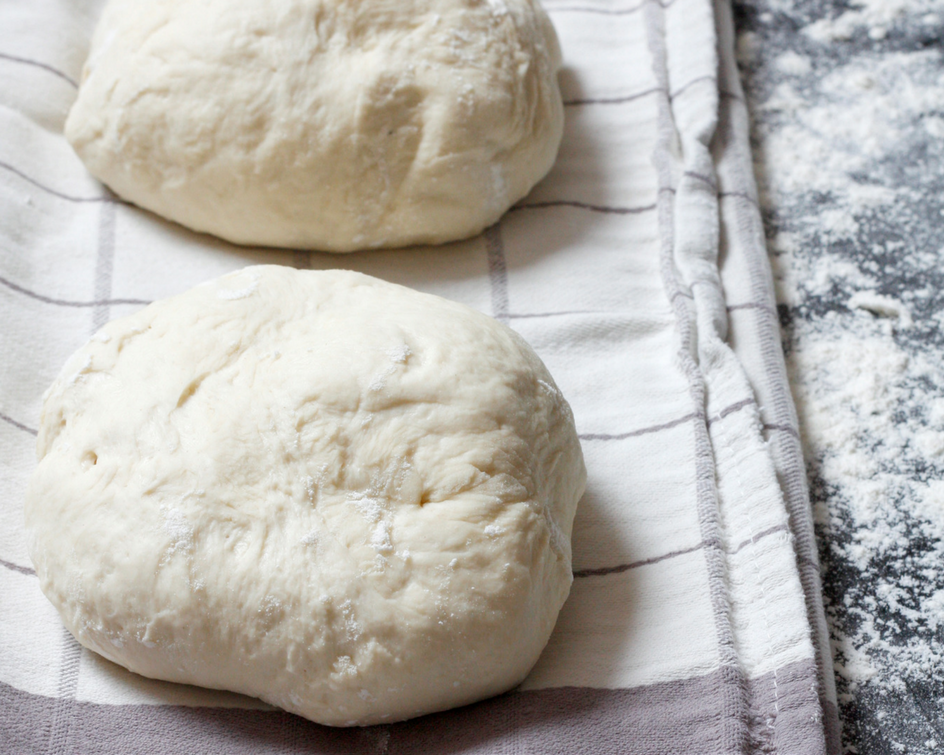
Immediately the automatic measuring of flour and water and the subsequent kneading calmed me, my breath started to move with the folding of the dough. In an almost meditative state I remembered to slow down and appreciate this time of quiet and simplicity. To breathe. And I started thinking about how I used to be so afraid of making this bread.
All fall and winter I’ve been playing with sourdough. The idea of making sourdough bread at home always seemed too daunting because of this thing called a ‘starter’ that you have to ‘feed’ at certain times to keep it alive. Keep it out of the fridge, then keep it in the fridge, then take it out at such and such time before you want to bake with it. I was so scared I was going to do something wrong, that I would make the most terrible bread ever.
And the funny thing is that no matter how closely I followed the recipe I did make the worst bread ever. A couple times. I killed a couple starters because I forgot to feed them. Then one day I decided I wasn’t going to let a little thing like bread win – I just needed to understand it better.
Baking bread is one of the things that represents the most basic of human endurance. People have been baking bread for thousands and thousands of years. Way before electricity. When people were drawing on cave walls, they were baking bread. And I seemingly couldn’t manage do it without getting my iPhone completely covered in flour. What? Then I realized that every time the bread was awful it’s because I wasn’t following my instincts. I would think the dough needed more water but I was scared to add it because the recipe called for a specific amount. What? Why? Why was I being controlled by this recipe? This recipe didn’t exist 5000 years ago.
The thing is, no matter how many time an expert makes a recipe nothing is ever the same. Recipes are really merely guides. Just like life gets in the way of, well, life – there are any number of things that affect the way a dough comes together. The temperature of the water, of the air, how much flour was really in that cup – all of these things are variable and affect the outcome.
Once I got to know the dough, to finally understand it, made all the difference in the world. I’m now combining flours, adding water until I get just the right consistency in the dough. Kneading the dough until it responds and looks the way I want it to, they way my instinct knows it should. Kneading until it’s smooth, pliable, and not too sticky. Realizing it’s okay if my dough rises a little longer than I’d like because I have to go pick my daughter up from school. The dough doesn’t have a watch, it doesn’t know when the timer goes off. It’s going to be okay. Maybe it won’t achieve the perfect rise. But I know it’s going to rise. I know it’s going to taste amazing, and that sometimes it needs a smear of butter.
Dough is like life, different from one day to the next. Understanding comes with diligence, perseverance and a willingness to learn. Through understanding comes the ability to relax and enjoy the moment, your knowledge rooted in experience.
It’s just flour, yeast, water and heat coming together in an amazing transformation with nothing more than a little patience and a little kneading.
And maybe a little salt.




No Comments